It’s always a packed house for the Student Turf Bowl, held during the Carolinas Golf Course Superintendents Association (CGCSA) Conference and Show. During the event, teams of college students compete... read more →
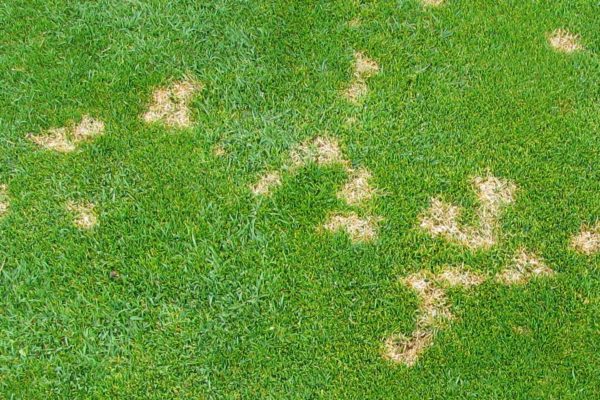
Sports turf managers in Europe have long been aware of the existence of Dollar Spot as a turf grass disease. Until relatively recently the disease was only regarded as being... read more →
Surfactants can’t stop storms, but if you’re experiencing an excessive rainy season, or know you are about to get hit with a deluge right before a significant course event, surfactants... read more →
Turfgrass injury and damage is caused by either abiotic or biotic factors. Some examples of abiotic factors or stressors include extreme weather/temperatures, soil compaction, nutrients/light, excess or deficient water, and... read more →
Using a pre-emergent herbicide to control weeds on turf can be considered a “no-brainer” for many superintendents. However, there are some additional steps that can be taken to ensure that... read more →
Sports turf managers in Europe have long been aware of the existence of Dollar Spot as a turf grass disease. Until relatively recently the disease was only regarded as being... read more →
Knowing your soil’s pH is one of the keys to unlocking nutrient availability. By gaining insight on this common soil property measurement you can correct and prevent issues including nutrient... read more →
Autumn brings with it plenty of changes for golf course superintendents and turfgrass crews. With fewer rounds and more favorable growing conditions, the focus shifts from playability and maintenance to... read more →
What is Conservation? The European Environment Information and Observation Network defines conservation as “efforts and activities to maintain... read more →
Hydrophobic Soils – Why are we so afraid? The definition of “hydrophobic” can easily be gleaned from its Greek roots; hydro (meaning water) and phobia (meaning fear, or hate). In... read more →